

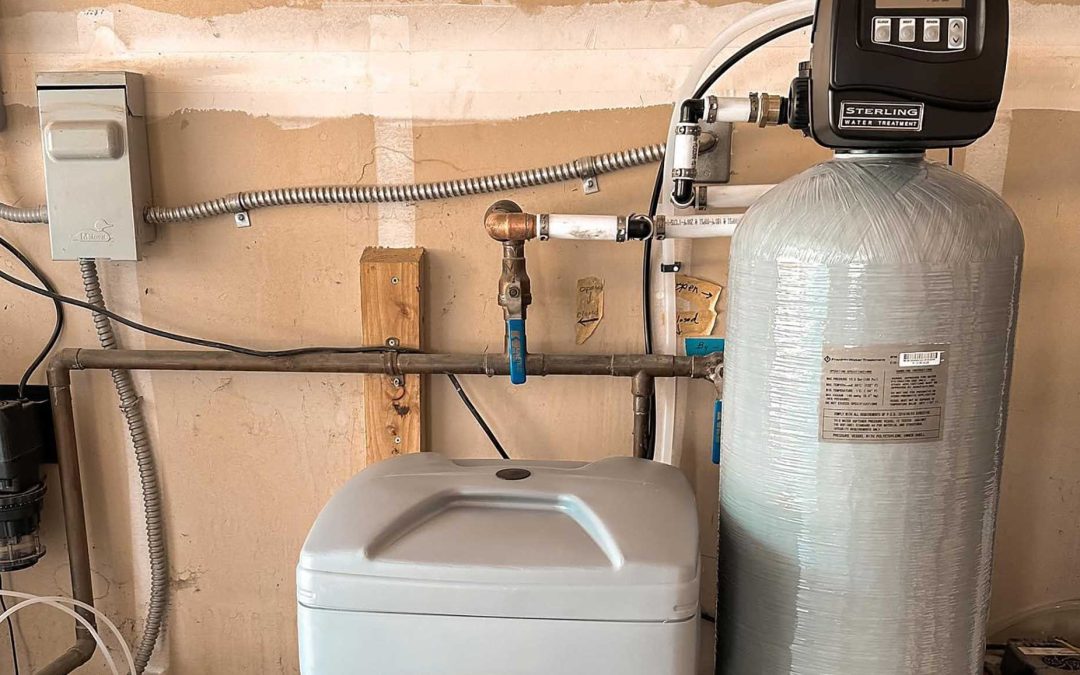
Water heaters are essential appliances in every home, providing hot water for showers, washing dishes, doing laundry, and more. However, like any other home appliance, water heaters require regular maintenance to ensure they run efficiently and have a long lifespan. Without proper care, a water heater can experience issues like reduced water temperature, increased energy bills, or even complete failure.
At Pristine Plumbing, we understand the importance of a properly maintained water heater. Serving homeowners, businesses, and property managers in the Treasure Valley area, our team offers comprehensive water heater services, including installation, repairs, and maintenance. In this blog, we’ll walk you through how to maintain your water heater, helping you avoid costly repairs and ensuring your hot water needs are always met.
Why Is Regular Water Heater Maintenance Important?
Regular maintenance helps to extend the life of your water heater and can prevent major problems down the road. Here are a few key benefits of keeping your water heater well-maintained:
- Improved Efficiency: Regular maintenance ensures your water heater operates at peak efficiency, which can lower your energy bills.
- Prolonged Lifespan: A well-maintained water heater can last anywhere from 10 to 15 years, whereas neglecting it can lead to costly replacements sooner.
- Prevent Costly Repairs: Small issues can be fixed early, preventing the need for expensive emergency repairs.
- Consistent Hot Water: Maintenance helps ensure your water heater produces a steady supply of hot water whenever you need it.
Now, let’s dive into the step-by-step process of maintaining your water heater.
Step 1: Turn Off Power or Gas Supply
Before performing any maintenance on your water heater, safety should always come first. You’ll need to turn off the power or gas supply to your unit to avoid electrical hazards or gas leaks.
- Electric Water Heaters: Turn off the power by switching off the circuit breaker dedicated to your water heater. This will ensure that the unit is not receiving any electricity during maintenance.
- Gas Water Heaters: For gas-powered heaters, turn off the gas supply to the water heater by switching the gas valve to the “off” position. This ensures there’s no risk of a gas leak.
Step 2: Inspect the Anode Rod
The anode rod is a crucial part of your water heater. It is designed to prevent rust and corrosion from damaging the tank by attracting corrosion-causing elements in the water. Over time, the anode rod will deteriorate and need to be replaced.
How to Inspect the Anode Rod:
- Locate the anode rod (it’s usually a long metal rod that can be found on the top of the water heater).
- If you notice that the rod is corroded or worn down to less than 1/2 inch thick, it’s time to replace it.
- Replacing the anode rod is typically a quick and inexpensive fix that can extend the lifespan of your water heater.
Step 3: Flush the Tank
Sediment buildup is one of the most common issues in water heaters, especially in areas with hard water. Over time, mineral deposits like calcium and magnesium can accumulate at the bottom of the tank, reducing heating efficiency and causing the tank to overheat. Flushing the tank regularly helps remove these deposits and improve the heater’s performance.
How to Flush the Tank:
- Turn off the power or gas supply to the water heater (as mentioned in Step 1).
- Attach a hose to the drain valve located at the bottom of the tank.
- Place the other end of the hose in a drain or outside (ensure it’s in a safe area where hot water can be released).
- Open the drain valve and allow the water to flow out of the tank. You’ll notice that the water might be cloudy or contain sediment.
- Let the tank drain completely, and then close the valve.
- Turn on the cold water supply to the tank and let the water run through for a few minutes to flush out any remaining sediment.
- Close the valve and remove the hose.
- Restore the power or gas supply to the water heater.
How Often Should You Flush the Tank?
It’s recommended to flush your water heater at least once a year, or more frequently if you have hard water in your area.
Step 4: Check the Temperature Setting
If your water heater’s temperature is set too high, it could lead to energy waste or even burns. On the other hand, if the temperature is set too low, you may not get enough hot water.
The ideal temperature setting for a water heater is 120°F (49°C). This temperature is hot enough for most household uses while helping to prevent scalding.
How to Adjust the Temperature:
- Locate the thermostat on your water heater. Most electric water heaters have two thermostats (one for the upper element and one for the lower element), while gas water heaters typically have one.
- Use a flathead screwdriver to adjust the thermostat to the desired temperature.
- If your water heater has two thermostats (for electric models), set them to the same temperature to ensure balanced heating.
Step 5: Inspect the Venting (for Gas Water Heaters)
For gas-powered water heaters, it’s crucial to ensure that the venting system is clear and functioning properly. Clogged vents can lead to gas buildup, posing a safety risk.
How to Inspect the Vent:
- Check the venting pipes for any visible obstructions, such as debris, dirt, or nests.
- Make sure the vent pipe is securely connected to both the water heater and the venting outlet.
- If the venting appears to be obstructed, contact a professional plumber to clean and inspect the system.
Step 6: Look for Leaks
Water heaters can develop leaks over time, especially around the connections or at the base of the tank. Leaks can result in water damage to your home and reduce the efficiency of your water heater.
How to Check for Leaks:
- Inspect the area around the base of the tank for any signs of water pooling.
- Check the inlet and outlet pipes for any visible leaks or moisture.
- Examine the valve connections and drainage valve for signs of dripping.
- If you find any leaks, call a professional plumber to repair the issue before it worsens.
Step 7: Test the Pressure Relief Valve
The temperature and pressure relief valve (T&P valve) is a safety feature that prevents the water heater from overheating or bursting. Over time, the valve can become corroded or malfunction, so it’s important to test it regularly.
How to Test the T&P Valve:
- Place a bucket or pan under the T&P valve’s discharge pipe.
- Lift the lever on the valve to allow a small amount of water to flow out. If the valve is functioning correctly, water should flow freely and then stop when you release the lever.
- If the valve doesn’t release water or continues to leak, it’s time to replace it.
Step 8: Schedule Professional Maintenance
While DIY maintenance is essential, it’s also a good idea to schedule professional water heater maintenance at least once a year. A licensed plumber can perform a thorough inspection, address any potential issues, and ensure that your water heater is running efficiently.
Professional maintenance may include tasks such as:
- Inspecting the anode rod and replacing it if necessary
- Flushing the tank to remove sediment
- Checking the T&P valve and replacing it if needed
- Inspecting the venting system (for gas models)
- Checking the overall condition of the water heater and making recommendations for repairs or replacements
Conclusion
Maintaining your water heater is key to keeping it functioning efficiently and avoiding costly repairs or replacements. By following these step-by-step tips, you can keep your water heater in top condition and extend its lifespan. Regular maintenance, such as inspecting the anode rod, flushing the tank, adjusting the temperature setting, and checking for leaks, can help you avoid unexpected issues and ensure that your water heater runs smoothly for years to come.
If you’re unsure about performing these maintenance tasks on your own, or if you need professional help, Pristine Plumbing is here to assist. We offer expert water heater services for homeowners, businesses, and property managers in the Treasure Valley area. Contact us today for all your water heater needs!