

A water heater is a vital part of your home’s plumbing system, providing hot water for everything from showers to dishwashing. When it starts to show signs of wear and tear, it’s not only inconvenient but can also leave you wondering how much longer it will continue to work. Water heaters are built to last, but like all appliances, they have a limited lifespan.
In this blog, we’ll dive into how long water heaters typically last, what factors affect their lifespan, and when you should consider replacing your water heater to avoid unexpected problems. We’ll also provide tips on how to extend the life of your water heater and when it’s time to call in a professional plumber from Pristine Plumbing for repairs or replacement.
How Long Does a Water Heater Last?
On average, a traditional tank water heater will last about 10 to 15 years, while tankless water heaters can last around 20 years or more with proper maintenance. However, several factors influence the actual lifespan of a water heater, and some units may last longer or shorter than the average depending on conditions and usage.
1. Type of Water Heater
The type of water heater you have plays a significant role in its lifespan. There are two main types: tank-style water heaters and tankless water heaters. Here’s how each compares in terms of longevity:
- Tank Water Heaters: Traditional tank water heaters, which store a large volume of hot water in a tank, generally last between 10 to 15 years. Over time, sediment can build up in the tank, especially if you have hard water, which can lead to premature failure if not properly maintained. Additionally, the tank itself can corrode over time, leading to leaks.
- Tankless Water Heaters: These units, also known as on-demand water heaters, last much longer—typically between 20 to 30 years. Tankless models heat water only when needed, reducing wear and tear on the system. Because they don’t have a tank that can corrode, they tend to have a longer lifespan, but their performance can still be affected by factors like mineral buildup and maintenance.
2. Water Quality
The quality of the water that enters your home plays a major role in the longevity of your water heater. Hard water, which contains high levels of calcium and magnesium, can cause mineral buildup inside the tank over time. This buildup can lead to the following issues:
- Increased wear and tear: The mineral deposits can damage the heating elements, reducing efficiency.
- Sediment buildup: Hard water causes sediment to accumulate at the bottom of the tank, which can make the heater work harder, potentially shortening its lifespan.
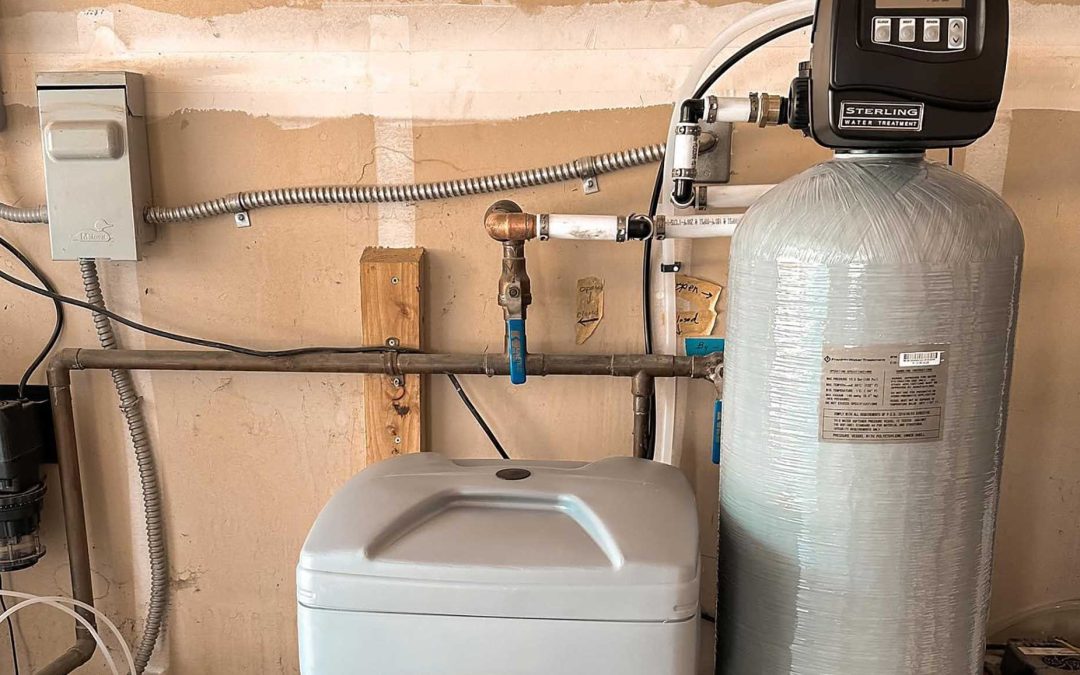
To combat this, you can install a water softener to reduce mineral buildup and extend the life of your water heater.
3. Maintenance and Care
Like any appliance, regular maintenance is key to extending the lifespan of your water heater. A well-maintained water heater can last years beyond the average lifespan, while neglecting maintenance can significantly shorten its life. Key maintenance tasks include:
- Flushing the tank: Sediment buildup is a common problem in water heaters. Flushing the tank once a year helps remove sediment, improve efficiency, and prevent damage.
- Checking the anode rod: The anode rod prevents rust and corrosion inside the tank. If it becomes corroded, it should be replaced. Without a functional anode rod, the tank may rust and deteriorate more quickly.
- Inspecting for leaks: Regularly check for leaks around the water heater. Leaks can be a sign of corrosion or other issues that could require early replacement.
If you’re unsure how to perform these maintenance tasks, Pristine Plumbing can help with professional water heater inspections and maintenance to ensure your system operates efficiently.
4. Water Heater Size and Usage
The size of your water heater and how much hot water your household uses will also affect its longevity. Larger households or businesses that require a lot of hot water may put more strain on the system, causing it to wear out faster. If your water heater is undersized for your needs, it may be forced to work harder to meet demand, which can reduce its lifespan.
What Are the Signs That Your Water Heater is Reaching the End of Its Life?
As your water heater ages, there are several signs that it may be nearing the end of its lifespan. Knowing what to look for can help you avoid unexpected breakdowns and plan for a replacement before problems arise.
1. No Hot Water
One of the most obvious signs of a failing water heater is a complete lack of hot water. If you find that your water heater is no longer producing hot water, it could be due to a malfunctioning heating element (for electric units) or a gas valve failure (for gas water heaters). This issue often indicates a serious problem with the system, and it might be time to replace the unit.
2. Inconsistent Hot Water
If your water temperature fluctuates from hot to cold or you notice that your hot water doesn’t last as long as it used to, it could be a sign that the tank is failing or the heating elements are malfunctioning. A malfunctioning thermostat or heating element might also be the cause.
3. Rumbling or Strange Noises
Strange noises coming from your water heater, such as rumbling, popping, or cracking sounds, are often caused by sediment buildup inside the tank. Over time, mineral deposits accumulate at the bottom of the tank and cause the water to heat unevenly, resulting in these noises. If left untreated, this can lead to the premature failure of the unit.
4. Water Leaks
If you notice water pooling around the base of your water heater, there’s likely a leak somewhere in the system. Leaks can be caused by corrosion inside the tank, faulty valves, or loose connections. In many cases, leaks indicate that the tank is rusting or that the unit is nearing the end of its life.
5. Rust-Colored Water
If your hot water is brown or rust-colored, it could be a sign of corrosion inside the tank. Over time, the anode rod may become less effective, leading to rusting inside the tank. If this issue occurs in older water heaters, it’s often an indication that the tank is failing and a replacement is necessary.
6. Increased Energy Bills
If your energy bills have increased without any changes in your water usage, your water heater may be working harder than it should. Sediment buildup, aging components, or an undersized unit can cause your water heater to consume more energy to heat water. Replacing the unit with a more energy-efficient model can help reduce energy consumption and save you money in the long run.
When Should You Replace Your Water Heater?
If your water heater is nearing the end of its lifespan or showing signs of failure, it’s important to decide whether to repair or replace it. Here are some factors to consider:
- Age: If your water heater is more than 10 years old and you’re experiencing frequent issues, it’s often more cost-effective to replace it rather than continue repairing it.
- Frequent Repairs: If you find yourself calling a plumber multiple times a year for repairs, it’s a sign that the system is deteriorating. A new water heater may be a more cost-effective solution.
- Energy Efficiency: Newer water heaters are much more energy-efficient than older models. If your water heater is costing you more money in energy bills, replacing it with a newer, more efficient model could save you money over time.
Conclusion
The lifespan of a water heater depends on various factors, including the type of unit, maintenance practices, water quality, and usage. On average, a traditional tank water heater lasts 10 to 15 years, while tankless units can last 20 years or more. Recognizing the signs that your water heater is reaching the end of its life can help you avoid unexpected breakdowns and costly repairs.
If you’re experiencing issues with your water heater, or if it’s nearing the end of its lifespan, Pristine Plumbing is here to help. Our team of experienced plumbers can assess your water heater, provide recommendations, and perform professional repairs or replacements to ensure you always have reliable hot water.