

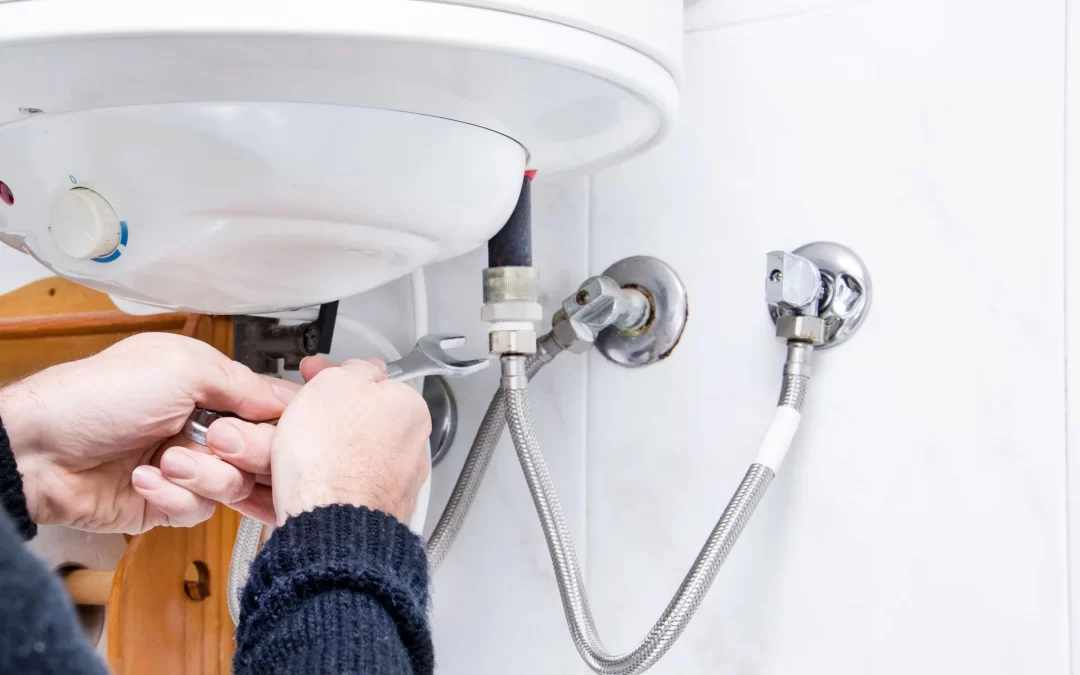
When it comes to choosing a water heater for your home or business, electric water heaters are one of the most popular options. They’re widely available, easy to install, and generally more affordable than gas water heaters. However, like any appliance, electric water heaters have their disadvantages. While they are efficient and reliable for many households, understanding their limitations can help you make a well-informed decision.
In this blog, we’ll discuss the key disadvantages of electric water heaters, from their energy consumption to their performance in certain conditions. By the end, you’ll have a clearer idea of whether an electric water heater is the right choice for you, or if a different type of water heater might be a better fit for your needs.
1. Higher Operating Costs
One of the most significant disadvantages of electric water heaters is their higher operating costs compared to gas water heaters. While the initial cost of an electric water heater may be lower, the ongoing cost of electricity to run the unit can add up over time.
Why is This a Problem?
- Electricity vs. Gas: In many areas, electricity is more expensive than natural gas, which means that electric water heaters generally have higher monthly utility bills. According to the U.S. Department of Energy, the cost of heating water with electricity is typically two to three times higher than heating with natural gas.
- Efficiency vs. Cost: Even though electric water heaters are efficient in terms of heating water, the overall cost of electricity can make them less cost-effective over time, especially if your household has high hot water demands.
If you live in an area where electricity is more expensive than gas, a gas water heater might be a more affordable long-term solution.
2. Slower Recovery Time
Electric water heaters tend to have slower recovery times compared to gas water heaters. This means that they take longer to heat up a full tank of water after it has been used.
Why is This a Problem?
- Limitations for Large Households: If you have a larger family or a business with heavy hot water needs, a traditional electric water heater may struggle to keep up with demand. After a shower or laundry load, you may have to wait longer for the next batch of hot water to be ready.
- Tank-Style Water Heaters: This issue is particularly noticeable in tank-style electric water heaters. Since these models rely on heating water that is stored in a tank, they can take longer to heat the entire tank, especially if it’s large (e.g., 50 gallons or more).
- Tankless Electric Heaters: Tankless electric water heaters, which heat water on demand, do offer a solution to this problem by providing hot water continuously. However, they also require a lot of electricity to operate, and they can struggle to provide enough hot water for multiple simultaneous uses, such as taking a shower while the dishwasher runs.
3. Inconsistent Performance During Power Outages
Electric water heaters are, by their very nature, reliant on electricity to function. This means that if you experience a power outage, your electric water heater will stop working, leaving you without hot water until the power is restored.
Why is This a Problem?
- Dependence on the Grid: Unlike gas water heaters, which can still operate during a power outage (as long as the gas supply remains intact), electric water heaters are completely dependent on an active electrical supply. This can be particularly problematic in areas prone to power outages, such as regions that experience frequent storms or harsh winter conditions.
- Backup Options: While some homes invest in backup generators to keep their electric water heaters running during power failures, this adds to the overall cost and complexity of the system.
If you live in an area with unreliable power or need a reliable water heating solution during emergencies, you may want to consider a gas water heater or a tankless electric water heater with backup power options.
4. Requires a Larger Electrical Capacity
One significant disadvantage of electric water heaters, especially the larger models, is that they require a dedicated electrical circuit. This means that your home must have the capacity to handle the electrical demand of the water heater, which may require upgrading your electrical system.
Why is This a Problem?
- Higher Installation Costs: If your home’s electrical system isn’t already set up to handle the load of an electric water heater, you may need to upgrade your electrical panel or wiring. This can add substantial costs to the installation process.
- Limitations in Older Homes: Homes built before the 1980s may not have the electrical capacity required for larger electric water heaters, meaning an upgrade is often necessary. This may not be an issue for newer homes, but it’s something to keep in mind during installation.
- Tankless Models: Tankless electric water heaters also require a significant amount of electricity to operate efficiently, and some models require a 240-volt circuit, which may necessitate an electrical upgrade in older homes. This can make installation more expensive and challenging.
5. Environmental Impact
While electric water heaters are generally more environmentally friendly than gas water heaters in terms of emissions, their environmental impact still depends on how the electricity is generated in your area.
Why is This a Problem?
- Source of Electricity: In regions where electricity is primarily generated from non-renewable sources such as coal or natural gas, the environmental impact of running an electric water heater can be quite high. Even though electric heaters themselves do not emit greenhouse gases, the power plants that generate the electricity do.
- Renewable Energy Options: On the flip side, if you live in an area where electricity comes primarily from renewable sources, such as solar or wind, the environmental impact of your electric water heater is significantly reduced. However, this is not the case everywhere, which can make electric water heaters less environmentally friendly depending on the local grid.
6. Limited Hot Water Capacity in Tank Models
Electric tank water heaters, while generally suitable for small to medium-sized homes, may struggle to meet the needs of larger households with high water consumption. Tank water heaters store a fixed amount of hot water in a tank, and once that water is used up, it can take time to heat the next batch.
Why is This a Problem?
- High Demand: In households with multiple bathrooms, heavy laundry use, or large families, a traditional electric tank water heater may not provide enough hot water for simultaneous uses, like showering and washing dishes at the same time. This leads to inconsistent hot water availability and long wait times between uses.
- Solutions: Some homeowners may opt for larger tank water heaters (e.g., 75-100 gallons), but these units require more space and are typically more expensive. Alternatively, a tankless electric water heater or a hybrid water heater might be a better solution if you need more hot water without the limitations of a traditional tank system.
7. Space Requirements
While electric water heaters are generally compact compared to their gas counterparts, they still require significant space for installation. Tank models, especially larger ones, take up considerable room in a utility closet or basement.
Why is This a Problem?
- Size of the Unit: The size of the water heater you need depends on your household size and hot water usage. Larger models require more space, which could be an issue for homes with limited storage space. Tankless systems, on the other hand, take up much less room, but they have their own set of challenges, including the need for specialized venting and electrical connections.
- Space Considerations: In a home where space is already limited, the size of the unit could be a significant consideration when choosing between an electric water heater, gas water heater, or tankless model.
Conclusion
Electric water heaters are a popular choice for many households due to their affordability and ease of installation. However, they do come with their share of disadvantages. From higher operating costs to slower recovery times and reliance on electricity, it’s important to carefully weigh these factors before deciding on an electric water heater.
If you’re unsure whether an electric water heater is the right option for your home or business, or if you need help with installation, Pristine Plumbing is here to help. We offer expert water heater installation, repair, and maintenance services in the Treasure Valley. Our team will help you find the best solution based on your needs, budget, and energy efficiency goals.