

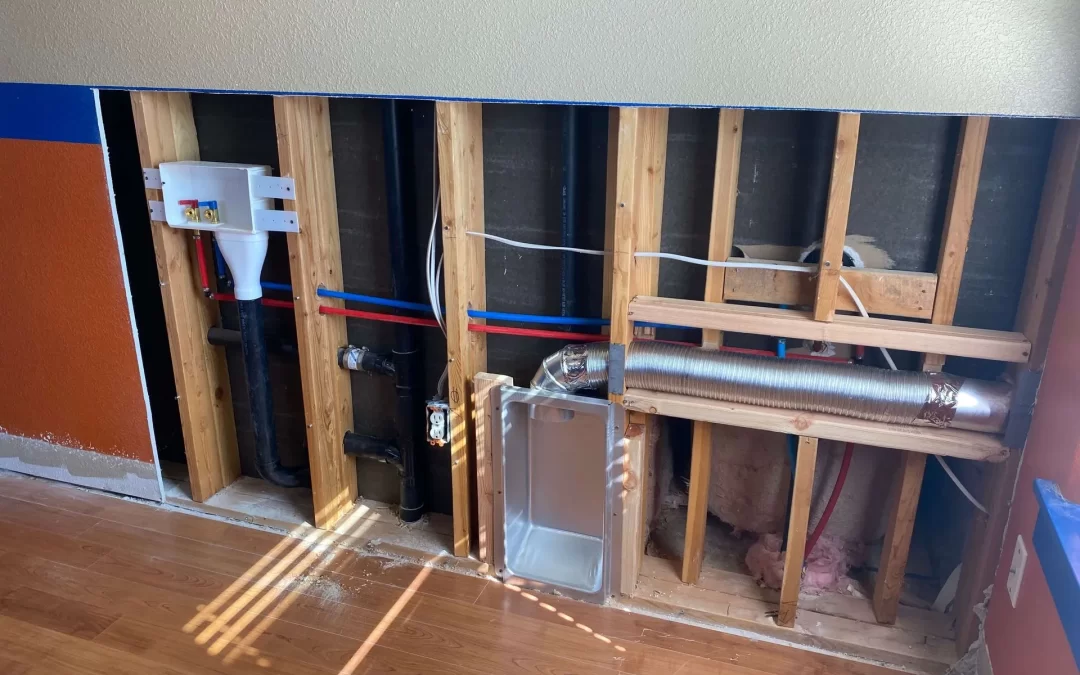
Have you ever noticed water trickling down your walls during or after a rainstorm? You might wonder, “Why is water running down inside my wall when it rains?” or “Is this condensation, or do I have a leak?” While these concerns are common, it’s essential to identify the exact cause of the moisture so you can address it before it leads to more significant issues like mold growth, water damage, or structural concerns.
In this blog, we’ll explore the different reasons why your walls may get wet during or after it rains, how to differentiate between condensation and a water leak, and what steps you should take to resolve the problem. Whether you’re a homeowner, property manager, or someone involved in real estate, understanding how to detect and fix water-related issues is key to maintaining the integrity of your home.
What Is Condensation?
Before we dive into specific reasons why water might run down your walls, it’s important to first understand what condensation is and how it can affect your walls. Condensation occurs when warm, moist air comes into contact with a cooler surface—in this case, your walls. The warm air loses its ability to hold moisture when it cools, causing water vapor to condense and collect on surfaces like walls, windows, and floors.
Condensation can be more problematic in certain conditions, especially during rainy weather. As the humidity increases inside your home, moisture can accumulate on cooler surfaces, leading to wet walls. However, condensation is generally not as serious as a plumbing leak, though it can still cause damage over time if left unchecked.
Possible Causes of Wet Walls During or After Rain
There are several reasons why your walls might get wet during or after a rainstorm. These causes can range from condensation to plumbing leaks, and understanding the difference is crucial for determining the best course of action.
1. Condensation Caused by High Humidity
As mentioned earlier, condensation happens when warm air meets a cool surface. During rainy weather, the air’s moisture content increases, especially in areas with high humidity. If the inside of your home isn’t adequately ventilated, this excess moisture can settle on the walls.
- Where It Happens: Condensation tends to occur on exterior walls or areas in contact with the outside air, such as walls near windows or under eaves.
- Signs of Condensation: If your walls are cold to the touch and you see water pooling on them, it could be condensation. Condensation is most likely to occur in bathrooms, kitchens, or laundry rooms—places where moisture from cooking, washing, or bathing creates a humid environment.
2. Leaking Roof or Roof Flashing
If you notice water running down your walls when it rains, leaking roofs are often the culprit. A leak in your roof can allow water to seep down inside your walls, causing wet spots, stains, and even significant damage over time.
- Where It Happens: A leaking roof typically causes water damage in the upper part of your walls, especially near the corners or the ceiling. The water may also travel downwards, causing wet spots lower on the walls.
- Signs of a Roof Leak: If your roof is leaking, you may notice water stains on the ceiling or in the upper part of your walls. The water may also pool on the floor near the base of the wall.
What to Do: If you suspect a roof leak, check your attic (if you have one) for signs of water damage, such as wet insulation or water stains. If you can’t identify the source, you may need to call a roofing professional to inspect the roof for any missing shingles, damaged flashing, or blocked gutters.
3. Leaky Pipes Behind the Wall
Another possible reason for wet walls is a leaky pipe behind the wall. Plumbing pipes that run through walls, floors, or ceilings can sometimes develop leaks due to wear and tear, poor installation, or freezing temperatures. A leak in a pipe behind the wall can lead to water trickling down the wall and creating significant damage if left unaddressed.
- Where It Happens: Water leaks from pipes behind walls can occur anywhere in your plumbing system, but they are most common in bathrooms and kitchens, where plumbing is concentrated.
- Signs of a Plumbing Leak: You may notice wet spots or staining on the walls near plumbing fixtures like sinks, toilets, or bathtubs. The leak may be ongoing, causing moisture to build up over time.
What to Do: If you suspect a pipe leak, it’s crucial to shut off the water supply and call a plumber. A plumber can use specialized tools like thermal imaging or acoustic sensors to locate the leak inside the wall and determine the best method for repair.
4. Improperly Sealed Windows or Doors
Another potential cause of water running down your walls during rain is leaky windows or doors. If the seals around windows and doors are damaged or worn, rainwater can seep into your home and cause water to trickle down the walls. This is especially common in older homes with windows that haven’t been properly maintained.
- Where It Happens: Water from leaky windows or doors typically runs down the interior side of the window or door frame, creating streaks of moisture on the walls. The water can also seep behind the drywall, causing hidden damage.
- Signs of a Window or Door Leak: If you notice water pooling near windows or doors during a rainstorm, or if you see water stains on the wall near these areas, it’s a strong indication that the seals are compromised.
What to Do: Inspect the seals around your windows and doors for signs of damage. If you find worn-out caulking or weatherstripping, replace it to prevent water from entering your home. For more severe issues, you may need to replace the windows or doors entirely.
5. Clogged Gutters or Downspouts
Another common cause of water running down walls during rain is clogged gutters. When gutters are blocked with leaves, debris, or dirt, they can’t properly channel water away from your home. As a result, rainwater can overflow from the gutters and run down the exterior walls, seeping into the walls if the problem persists over time.
- Where It Happens: Water from clogged gutters typically runs down the exterior walls of your home and can seep into cracks or gaps in the walls. If the problem continues, it can lead to significant water damage inside.
- Signs of Clogged Gutters: If you notice water overflowing from your gutters or streaks of water running down your exterior walls, clogged gutters are likely the cause.
What to Do: Make sure your gutters and downspouts are clear of debris. Clean them regularly to prevent blockages. You can also install gutter guards to reduce the chances of clogs. If the gutters are damaged, consider replacing them or repairing the downspouts to ensure proper water flow.
Step 6: How to Fix Water Leaks Inside Walls
Once you’ve identified the cause of the water running down your walls, it’s time to fix the issue. Depending on the problem, this may involve different repairs:
- For Condensation: Improve ventilation in the affected areas by installing exhaust fans, using a dehumidifier, or opening windows to allow better airflow. If condensation is occurring near plumbing fixtures, consider insulating exposed pipes to prevent moisture buildup.
- For Leaking Roofs or Windows: Repair the roof or replace damaged window seals. If the issue is a minor leak, patching and resealing the affected area may be sufficient. For significant roof or window damage, you may need to consult a professional.
- For Plumbing Leaks: A plumbing leak behind the wall typically requires professional assistance. Plumbers will use advanced leak detection tools to locate the leak and repair the damaged pipe. They may need to cut into the wall to access the pipe, so drywall repair may also be required.
- For Clogged Gutters: Clean out the gutters and downspouts to ensure that water flows freely. If the gutters are damaged, repair or replace them to prevent future leaks.
Conclusion
Water running down your walls during or after a rainstorm is a serious issue that should not be ignored. The cause could be condensation, plumbing leaks, roof leaks, or other structural issues. Identifying the source of the problem is essential to preventing further damage and ensuring your home remains safe and dry.
By carefully inspecting your home and looking for signs of water damage, you can determine the root cause of the issue. If you’re unsure or if the leak is behind a wall, Pristine Plumbing is here to help. Our team of professional plumbers is skilled in detecting and repairing leaks, ensuring your home stays protected from water damage.