
Plumbing issues are an inevitable part of homeownership. Over time, wear and tear on your pipes, fixtures, and appliances can lead to unexpected problems that disrupt your daily routine. From leaky faucets to clogged drains, plumbing issues can vary in severity, but they all require prompt attention to avoid more significant damage to your home.
In this blog, we will walk you through the 12 most common plumbing problems homeowners face and offer practical advice on how to avoid them. Whether you’re in the middle of a plumbing emergency or want to stay ahead of future issues, this guide will help you understand what’s happening in your plumbing system and how you can prevent expensive repairs down the road.
1. Clogged Drains
The Problem:
Clogged drains are among the most common plumbing problems in residential homes. Over time, kitchen sinks, bathroom drains, and showers can accumulate debris such as hair, soap scum, grease, and food particles, which clog the pipes and create blockages. This can lead to slow drainage or complete stoppages, causing unpleasant odors and potential backups.
How to Avoid It:
- Use drain covers: These prevent large particles from entering the pipes.
- Avoid pouring grease or fat down the kitchen sink, as they solidify and cause clogs.
- Regularly clean your drains using natural remedies like baking soda and vinegar to break down minor buildups.
- Professional cleaning: For stubborn clogs, it’s a good idea to schedule professional drain cleaning every couple of years to maintain clear pipes.
2. Leaky Faucets
The Problem:
A dripping faucet might seem like a minor annoyance, but over time, it can waste gallons of water and increase your water bill. Leaky faucets are often caused by worn-out washers or gaskets, which prevent a proper seal.
How to Avoid It:
- Replace worn-out washers or cartridges promptly.
- Check faucets regularly for drips and have them repaired as soon as an issue is noticed.
- Install water-efficient faucets to prevent leaks and save water.
3. Running Toilets
The Problem:
A running toilet is another common problem, often caused by a faulty flapper valve or a problem with the fill valve. This constant flow of water wastes a significant amount of water and can skyrocket your water bill.
How to Avoid It:
- Regularly check the flapper valve to ensure it’s not worn out or broken.
- Check for leaks around the tank and bowl by adding a few drops of food coloring to the tank and waiting 30 minutes. If the color appears in the bowl, you have a leak.
- Replace the flapper valve or other components of the tank when necessary.
4. Low Water Pressure
The Problem:
Low water pressure is frustrating, especially when you’re trying to take a shower or wash dishes. This can be caused by a buildup of mineral deposits, leaks, or even a problem with the pressure regulator.
How to Avoid It:
- Flush your water heater annually to remove any sediment buildup.
- Check for hidden leaks that might be causing the pressure drop.
- Install a water pressure regulator if you have consistently high water pressure, which can damage pipes over time.
5. Frozen Pipes
The Problem:
In colder climates like the Treasure Valley, freezing temperatures can cause water in pipes to expand, leading to burst pipes. This is particularly common in homes with pipes running through exterior walls or uninsulated areas like attics and basements.
How to Avoid It:
- Insulate pipes in areas that are prone to freezing, such as basements, attics, and exterior walls.
- Keep cabinet doors open under sinks during cold weather to allow warm air to circulate around the pipes.
- Let faucets drip slightly in freezing temperatures to keep water moving through the pipes.
6. Water Heater Problems
The Problem:
Water heater issues, such as inconsistent hot water, strange noises, or a leaking tank, are a common plumbing problem that can disrupt your household. These issues can be caused by sediment buildup, a faulty thermostat, or an aging unit.
How to Avoid It:
- Flush your water heater annually to remove sediment buildup, which can decrease efficiency and lead to corrosion.
- Set the thermostat to a safe temperature (120°F) to prevent overheating and potential damage.
- Replace old units: A typical water heater lasts around 10-12 years. If yours is nearing the end of its lifespan, consider replacing it before it fails.
7. Sewer Line Backups
The Problem:
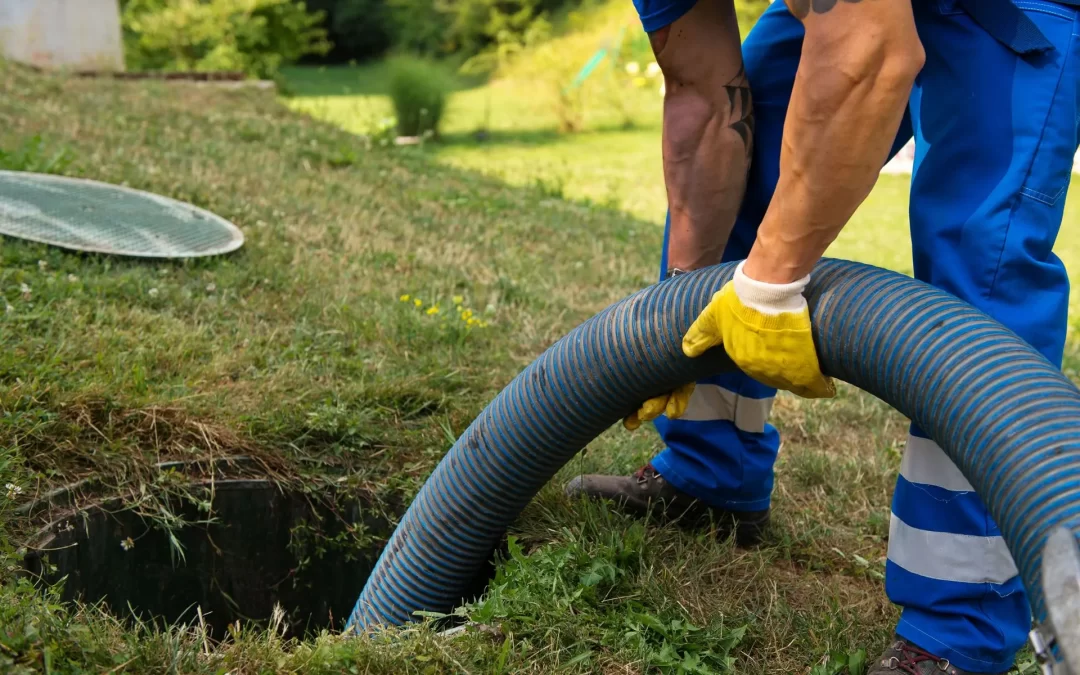
Sewer line backups are a serious plumbing issue that can lead to foul smells, contaminated water, and significant property damage. Common causes of sewer line backups include blockages from tree roots, debris buildup, and collapsed pipes.
How to Avoid It:
- Avoid flushing non-degradable items, such as wipes or paper towels, down the toilet.
- Trim tree roots that could invade your sewer lines.
- Schedule regular sewer line inspections to detect issues before they become major problems.
8. Leaks Under the Sink
The Problem:
Leaks under the sink can cause water damage to your cabinets and floors, leading to mold growth and potential structural damage. These leaks are often caused by faulty connections, worn-out seals, or damaged pipes.
How to Avoid It:
- Tighten loose connections and replace old seals when necessary.
- Install drain traps to catch debris that could clog pipes and cause backups.
- Inspect plumbing under sinks regularly to check for leaks or signs of wear.
9. Clogged Garbage Disposal
The Problem:
A clogged garbage disposal can lead to unpleasant odors, slow draining, and even leaks. Food scraps, grease, and non-food items can easily cause blockages in the disposal system.
How to Avoid It:
- Avoid putting fibrous or hard items (like bones, corncobs, or potato peels) down the disposal.
- Run cold water while using the disposal to help flush food particles down the drain.
- Regularly clean the disposal with baking soda and vinegar to keep it fresh and free of debris.
10. Sump Pump Failure
The Problem:
Sump pumps help prevent flooding by removing excess water from basements and crawlspaces. If the pump fails, water can accumulate and cause flooding, mold growth, and damage to your home’s foundation.
How to Avoid It:
- Test the sump pump regularly to ensure it’s working correctly.
- Clean the sump pit to remove debris that could block the pump.
- Consider a battery backup to keep the pump running during power outages.
11. Pipe Corrosion
The Problem:
Corroded pipes can cause water discoloration, leaks, and even complete pipe failure. Older homes, in particular, may have pipes that are made of materials like galvanized steel, which are prone to rust and corrosion over time.
How to Avoid It:
- Replace old pipes with modern materials like copper or PEX.
- Install a water softener if you have hard water, which can accelerate corrosion.
- Schedule regular plumbing inspections to catch early signs of corrosion.
12. Bad Odors from Drains
The Problem:
Foul odors coming from drains can be caused by a buildup of organic material, bacteria, or mold in your pipes. This is most common in kitchen sinks, garbage disposals, and bathroom drains.
How to Avoid It:
- Use drain covers to prevent food scraps and debris from entering your drains.
- Clean drains regularly with a mixture of baking soda and vinegar.
- Maintain garbage disposals by grinding up ice cubes and citrus peels to keep them fresh.
Conclusion: Prevent Plumbing Problems Before They Occur
While plumbing problems are a common part of homeownership, many of them can be avoided with regular maintenance and proactive care. By following the tips in this blog, you can extend the life of your plumbing system and prevent the headaches that come with unexpected repairs.
If you find yourself facing a plumbing issue, don’t hesitate to contact a trusted professional like Pristine Plumbing. We offer a wide range of residential plumbing services, from routine maintenance to emergency repairs, ensuring that your home’s plumbing system remains in top condition.