

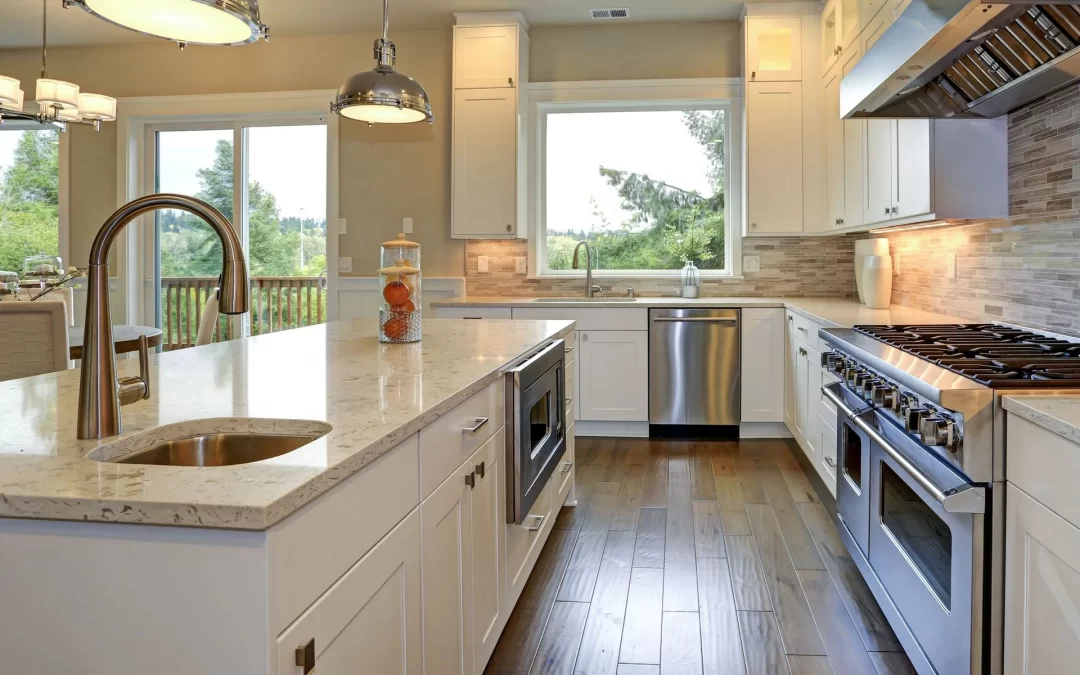
Renovating your kitchen is an exciting project that can enhance the functionality and aesthetic appeal of your home. However, as with any renovation, it’s easy to overlook hidden costs that can add up quickly and derail your budget. From plumbing upgrades to unexpected structural issues, there are several costs involved in a kitchen remodel that homeowners often don’t anticipate.
In this blog, we’ll explore the hidden kitchen renovation costs that many homeowners overlook when planning their remodel. By being aware of these potential expenses, you can better prepare your budget and ensure that your renovation goes smoothly without any financial surprises.
1. Plumbing and Electrical Upgrades
When renovating a kitchen, it’s tempting to focus on visible changes like cabinets, countertops, and appliances. However, your kitchen’s plumbing and electrical systems may also require updates to meet the needs of your new design.
Why This Is a Hidden Cost
- Plumbing: If you’re relocating the sink, dishwasher, or even adding a new water line (for a refrigerator with an ice maker, for example), you’ll need to hire a plumber. Plumbing work can be expensive, especially if your kitchen’s layout requires new piping or drainage systems.
- Electrical: Adding lighting, new appliances, or outlets for a kitchen island may require significant electrical upgrades. Older homes, in particular, may need their electrical systems upgraded to handle the new load. If you’re adding outlets or moving appliances, you’ll need to factor in the cost of rewiring and permits.
Estimated Cost: Plumbing or electrical upgrades can range from $500 to $5,000 depending on the complexity of the work.
2. Structural Work or Demolition Costs
You may not expect to encounter structural issues, but the reality is that many kitchen renovations involve some form of demolition or structural changes. These changes could include removing walls to open up the space, leveling floors, or reinforcing support beams.
Why This Is a Hidden Cost
- Unexpected Problems: When you start tearing out old cabinets or flooring, you might discover water damage, mold, or other structural issues that need addressing.
- Demolition: Demolishing the old kitchen, especially in older homes, can lead to additional costs for waste removal and disposal.
Estimated Cost: Demolition and structural work can cost between $1,000 and $5,000, depending on the size of the space and the extent of the changes.
3. Permits and Inspection Fees
Many kitchen renovations require permits to comply with local building codes, especially if you’re altering the layout, moving plumbing, or updating electrical systems. Failure to obtain the proper permits can lead to fines and delays.
Why This Is a Hidden Cost
- Code Compliance: Permits are required for work such as moving walls, installing new plumbing, or adding electrical outlets. These permits ensure that the work is done safely and up to code, which is crucial for both your safety and the future resale of your home.
- Inspection Fees: After the work is done, you may need an inspection to verify that the renovation meets local building codes. These inspections are often an added cost.
Estimated Cost: Permit fees typically range from $100 to $1,000, depending on your location and the scope of the project.
4. Flooring Installation
While you may have budgeted for countertops, cabinets, and appliances, flooring is often a hidden cost that homeowners don’t always consider. The type of flooring you choose can dramatically affect the overall cost of the remodel.
Why This Is a Hidden Cost
- Material Costs: High-end materials like hardwood, tile, or stone will increase your overall budget. Flooring materials can range from budget-friendly options like laminate to more expensive materials like marble or luxury vinyl plank (LVP).
- Installation Costs: The complexity of the flooring installation can also affect costs. For example, installing tile or hardwood floors involves additional labor and skill, which can increase your expenses.
Estimated Cost: Flooring installation typically ranges from $1,000 to $4,000 or more, depending on material and installation complexity.
5. Cabinetry (Custom vs. Stock)
Cabinets often make up a large portion of the overall kitchen renovation cost. Whether you’re choosing stock, semi-custom, or custom cabinetry can significantly affect the price.
Why This Is a Hidden Cost
- Stock vs. Custom Cabinets: Stock cabinets are generally the most affordable, but they may not fit your space or design preferences. Semi-custom or custom cabinets are tailored to your needs, but they come with a higher price tag.
- Installation Fees: In addition to the cost of the cabinets themselves, you’ll also need to factor in installation costs, which can be significant, especially for custom cabinetry.
Estimated Cost: Stock cabinets cost between $3,000 and $10,000 for a mid-sized kitchen, while custom cabinetry can range from $10,000 to $30,000 or more.
6. Lighting and Electrical Fixtures
Lighting is an essential part of a kitchen remodel, and it’s one of those costs that can easily be overlooked in your initial budget planning. The type of lighting you choose—whether it’s recessed lighting, pendant lights, or under-cabinet lighting—can significantly impact both the functionality and cost of your kitchen remodel.
Why This Is a Hidden Cost
- Upgrading Fixtures: If you’re replacing or upgrading electrical fixtures, such as pendant lights, chandeliers, or under-cabinet lights, the cost can quickly add up. Additionally, installing new lighting may require new wiring or electrical upgrades.
- Smart Lighting: Smart lighting options or energy-efficient LED lights may also increase your budget, but they can offer long-term savings.
Estimated Cost: Lighting upgrades can cost anywhere from $500 to $2,500 depending on the type of fixtures and the complexity of the installation.
7. Backsplash Installation
The backsplash is often one of the finishing touches that can transform the look of your kitchen. While it’s a relatively small area, the cost of installing a backsplash can be easily overlooked.
Why This Is a Hidden Cost
- Material Selection: The type of material you choose for your backsplash (e.g., ceramic, glass, stone) can affect the price. While basic ceramic tiles are more affordable, designer options like glass or marble can raise costs.
- Labor Costs: Installing a backsplash requires precision and care, especially if the layout involves intricate patterns or detailed tile work.
Estimated Cost: Backsplash installation typically costs between $500 and $2,000 depending on materials and installation complexity.
8. Ventilation Upgrades (Range Hoods)
If you’re upgrading your kitchen appliances, you may also need to upgrade your ventilation system to ensure that odors, smoke, and steam are efficiently vented out of your home.
Why This Is a Hidden Cost
- Installing Range Hoods: A high-quality range hood is an essential feature for modern kitchens, especially those with high-powered stoves. This might require new ductwork or a more powerful motor, adding to the overall cost.
- Venting to the Outside: In some cases, you may need to install or update ductwork to vent the range hood outside. This can increase labor costs significantly.
9. Wall and Ceiling Repairs
In many kitchens, remodeling may involve knocking down walls or removing old cabinetry. These changes can expose damaged or outdated walls and ceilings that will need to be repaired before installation begins.
Why This Is a Hidden Cost
- Drywall or Plaster: After demolition, you may find cracks, holes, or water damage that need to be repaired before continuing the remodel. This may require new drywall installation or plaster repairs, which adds to the overall cost.
- Ceiling Repairs: If you’re changing the layout or raising the ceiling, the ceiling will need to be adjusted or repaired to accommodate the new design.
Estimated Cost: Wall and ceiling repairs can range from $500 to $2,000, depending on the amount of work required.
10. Contingency Fund for Unforeseen Issues
When planning a kitchen remodel, it’s essential to have a contingency fund set aside for unexpected issues. Hidden problems like water damage, electrical issues, or plumbing problems can arise once work begins.
Why This Is a Hidden Cost
- Unforeseen Issues: Even the best-planned remodels can run into problems once work starts. Hidden water damage, outdated plumbing, or faulty electrical wiring can delay the project and increase costs.
- Emergency Repairs: Having a contingency fund helps you cover these unforeseen issues without disrupting your budget.
Estimated Cost: Set aside 10% to 20% of your total budget for unforeseen costs.
Conclusion
Kitchen remodels come with a variety of hidden costs that can easily push your project over budget. Understanding these hidden costs—such as plumbing and electrical upgrades, demolition, material selections, and unexpected repairs—can help you plan more effectively and avoid financial surprises.
At Pristine Plumbing, we specialize in kitchen remodeling services and can assist with everything from plumbing upgrades to final finishing touches. By working with us, you can ensure your kitchen remodel stays on track, on time, and within budget.